Tiffin Bark Park: A Doggone Destination
Seneca County is known for being a welcoming destination, not just for people, but for our four-legged friends as well! Thanks to the tireless efforts of the Friends of the Tiffin Bark Park, Inc., our community and its visitors have an incredible dog park right in our own backyard to enjoy. The Tiffin Bark Park is located at 606 North Washington Street, within Highland Park, and is open 365 days a year!
The Tiffin Bark Park is not your typical off-leash dog park. With 675+ registered users, safety and health are top priorities of the park. To ensure a safe environment, every dog must have up-to-date vaccinations, verified by a veterinarian, before gaining access to the park. Once a registered user, there is a key fob system that users utilize to access the park. All you have to do is load up your pup, scan your fob, open the gate, and let your furry friend run wild!
The park is complete with benches, different obstacles, doggy bags so the park is kept clean for all, toys and water bowls that are available for use, and wide open spaces for dogs to play with others, get out their energy, and enjoy just being a dog! Not only is the Tiffin Bark Park the grounds for furry friendships, but also for the owners, who can cultivate friendships and chat amongst one another when they please. To keep the park secure, safe for everyone, and accessible, in addition to the key fob system, there are security cameras, a special space for smaller or less active senior dogs, and the most recent addition, lights!
The Friends of the Tiffin Bark Park, Inc. completed a much-anticipated lighting project in February of 2022, initiated with a generous grant from the Tiffin Community Foundation. The project saw the installation of 14 solar-powered lights across the 1.5-acre facility. The lighting setup includes four lights that illuminate the park beginning at dusk for five hours each night, while the remaining ten lights are motion-activated, ensuring that the park remains energy-efficient while providing visibility for evening activities. This enhancement has been a significant response to the community’s request for better lighting, as noted by Keith Hodkinson, President of the organization.
To join the Tiffin Bark Park community, dog owners can obtain a user form here or from their local veterinary office. After the vet completes the shot record section, the owner fills out the rest and sends it in with the necessary fee to receive a personal encoded key fob. The fee structure is straightforward: $10 for the key fob and $10 for the first year of usage, with subsequent years costing $10 annually. Registration forms are also available at the park’s front gate.
For more information about the Tiffin Bark Park, visit their Facebook page here or call 419-455-9872. Whether you’re a local or just visiting, the Tiffin Bark Park offers a fantastic opportunity for dogs to run, play, and socialize in a safe, well-maintained environment. Come and see why Seneca County is a destination for happy people and happy dogs!



















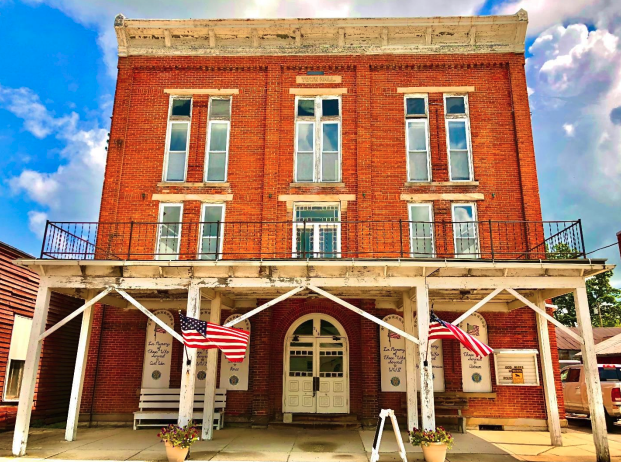 The building has served many purposes since its construction. It was home to the Republic Village Council and housed police headquarters at different times. It has been a meeting place for local groups and fraternal organizations. It also hosted many dances, balls and banquet dinners. The Hall was the focal point for entertainment including theater performances, musical acts and all kinds of variety shows held in the second floor opera house theater. At different times a Jail or “calaboose”, as it was referred to in an early newspaper article, was part of the property as well as the town fire bell and eventually the community warning siren. The Republic Town Hall & Opera House was even used as a makeshift school throughout the years. At times when the existing educational facility of the day was being renovated or rebuilt, as in 1913, classes were held inside The Hall. School related events would continue to held in The Hall well into the 1950’s. In 1887 the B&O railroad had one of their first and most deadly trainwrecks which occurred on the western edge of Republic. Funeral proceedings for the unidentified victims took place at the Town Hall.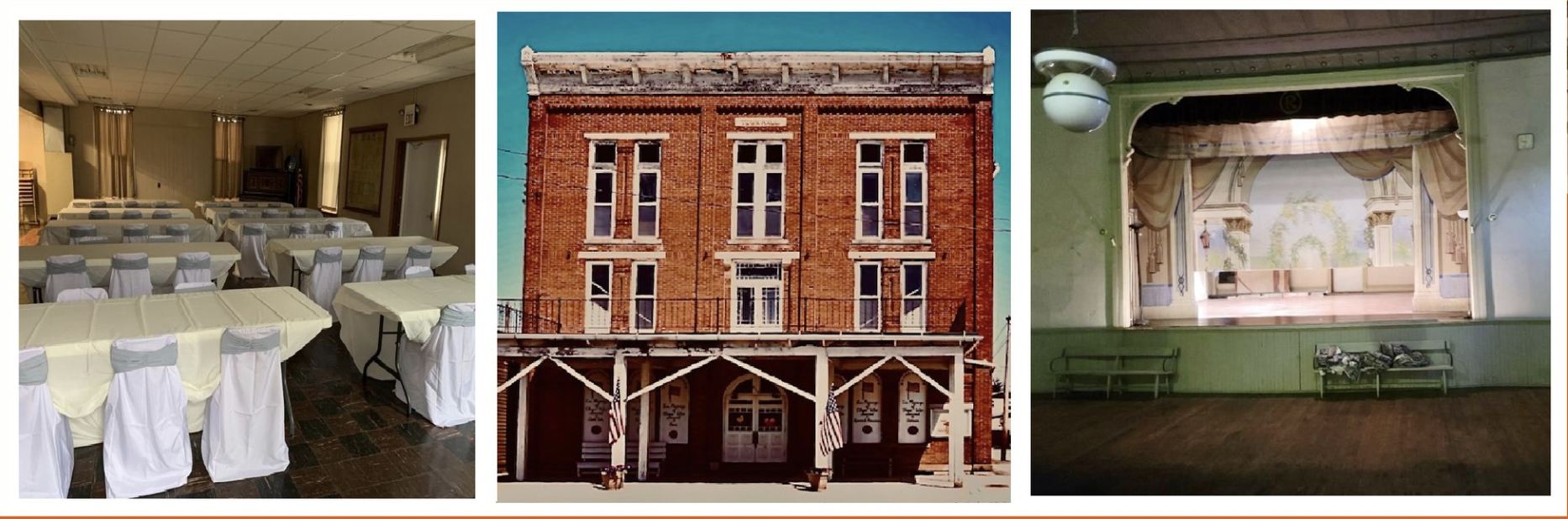

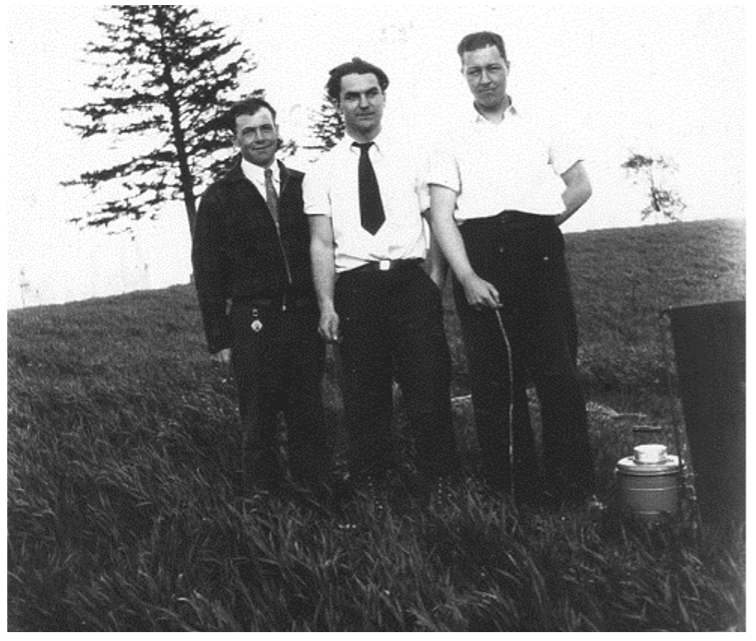 Opening Guide Staff-1933 | Left to Right: Walter Baughman, Irvin Peltier, Harold Page
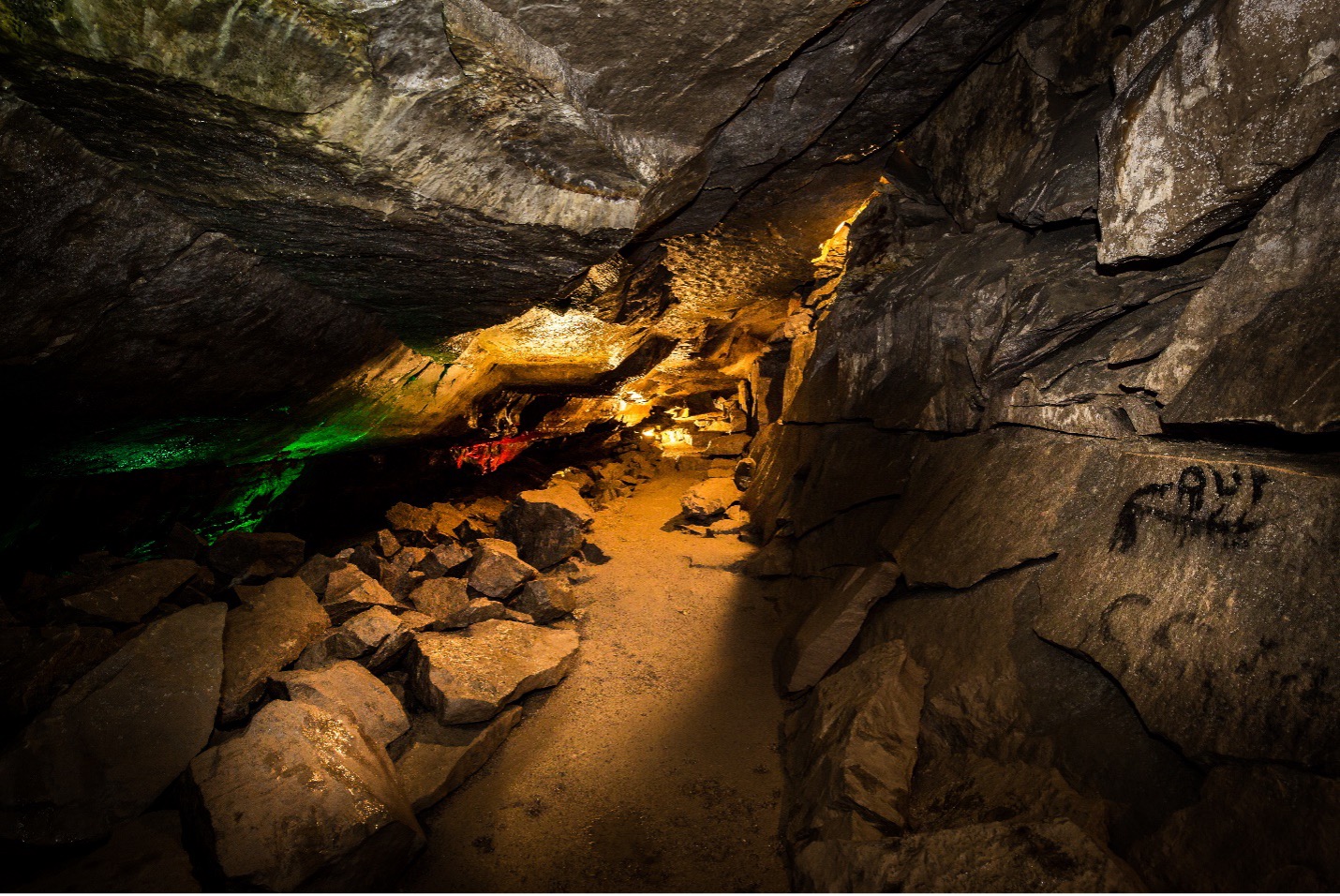

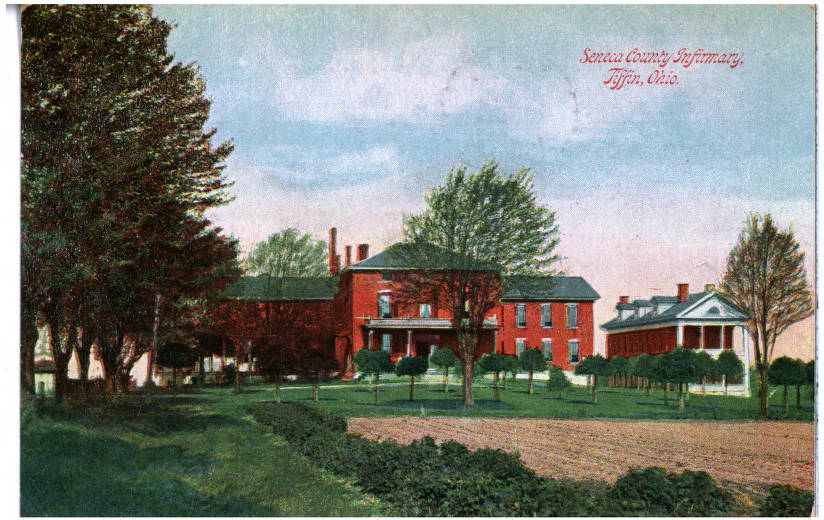 While the lives of many occupants of the infirmary buried here remain a mystery, we do know about a few of them. One, Silas Barber, died at 60 years of age in 1887. His place of birth is uncertain, but many believed he had come from Canada by boat. People remembered seeing him wandering throughout Seneca and the surrounding counties. He was never known to have held a steady job, and it is uncertain how he survived. Yet, Silas was a familiar face to many rural residents. It seems he was obsessed with thistles. Many came across him hard at work cutting through patches of thistles with a scythe for area farmers. And, according to their accounts, Silas refused compensation for any of his labors.
 An outdoor chapel called the Pieta Chapel was built and dedicated in 1968 to accommodate the growing number of pilgrims, especially from many parts of Ohio, Michigan, Pennsylvania and Ontario, Canada. With over 120,000 visitors a year from different ethnicities, the Shrine offers designated Sundays during the summer months such as Slovenian Sunday, Philippine Sunday, African – American Sunday and more. These days celebrate each’s rich Catholic culture and tradition.
 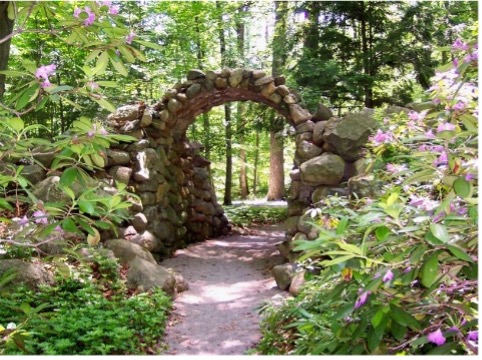 This Shrine that Fr. Brunner began in Seneca County is one of the oldest Marian Shrines in the Midwest and it is still owned and operated by the Congregation of the Precious Blood. Next year (2025), the Sorrowful Mother Shrine will be celebrating its 175th Anniversary. Learn more
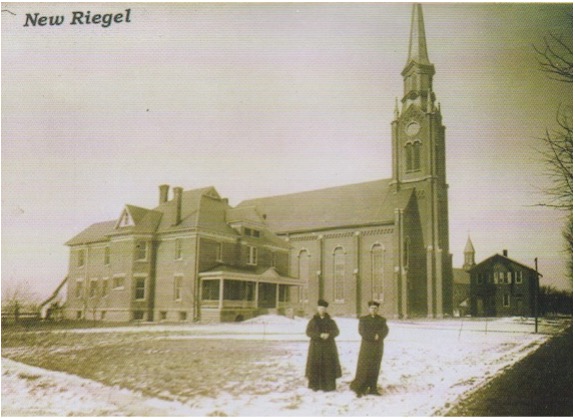
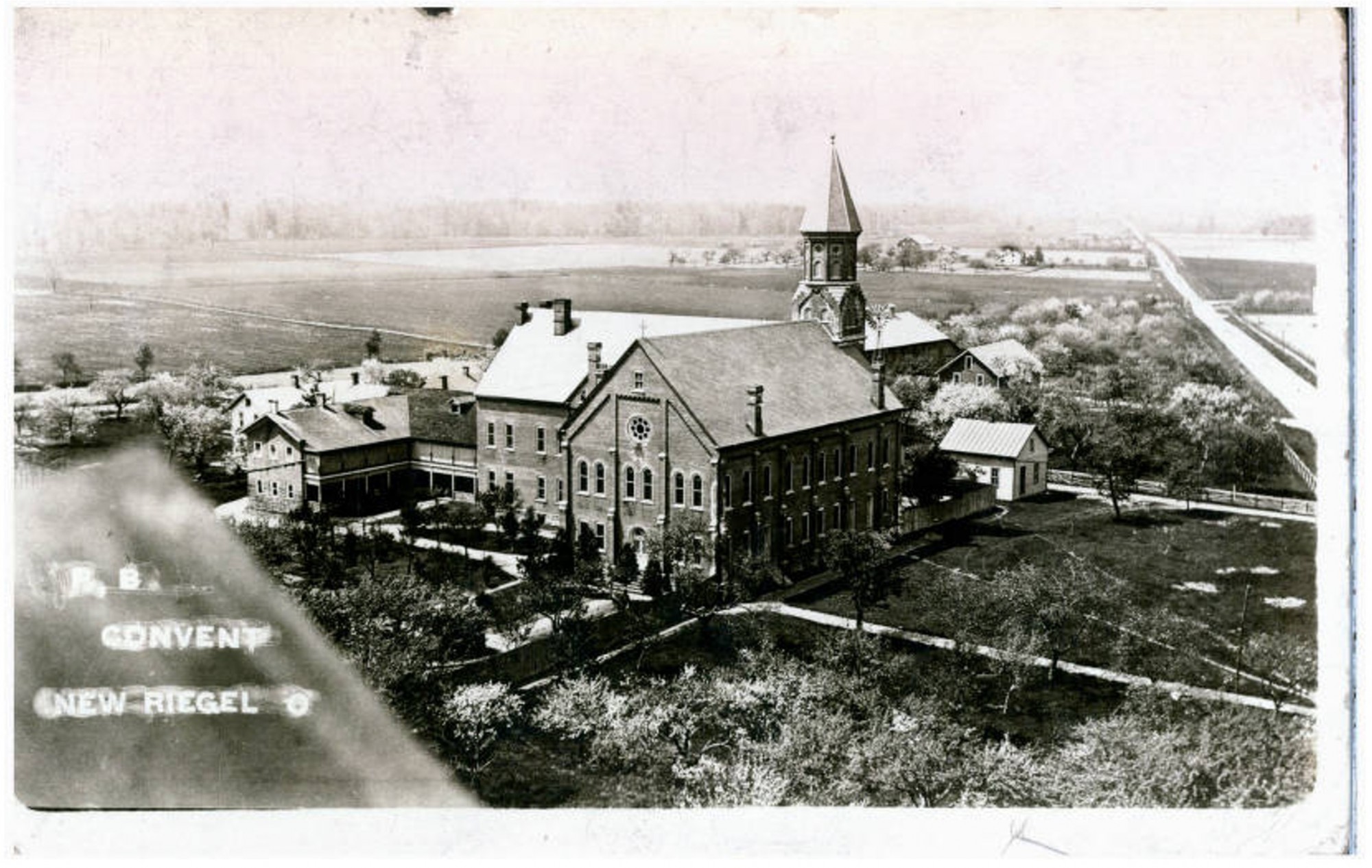 Renamed as All Saints Parish in 2005, the parish has merged with the former parishes of St. Nicholas (Berwick/Frenchtown), Ss. Peter and Paul (Alvada), St. Andrew (Liberty Township), St. Patrick (Bascom), and St. James (Kansas). The churches of the former parishes have all been demolished. The St. Boniface church built in 1875 is the only one that survives.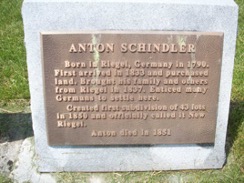


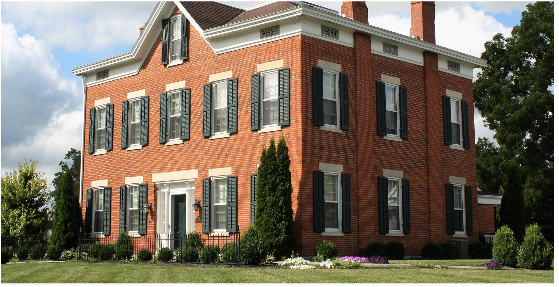 Nettie and Florence both attended public schools and then Heidelberg University. Apparently due to an eye issue, Nettie only went to school there for a year, but Florence graduated at the top of her class in 1865. At that time, Heidelberg frowned on a woman speaking at the graduation ceremony, so she did not receive the honor of speaking as the valedictorian. However, Florence returned to Heidelberg and earned her MA in education in 1869. While Florence was receiving her education at Heidelberg, Nettie moved to Illinois to attend the State Normal School. This was a training school offering certification to high school graduates preparing to be elementary teachers. Nettie would also learn how to understand and communicate with the deaf.
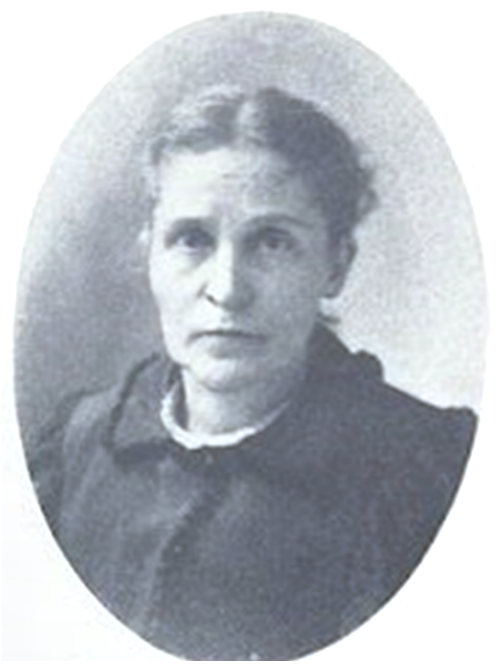 Nettie Cronise Lutes
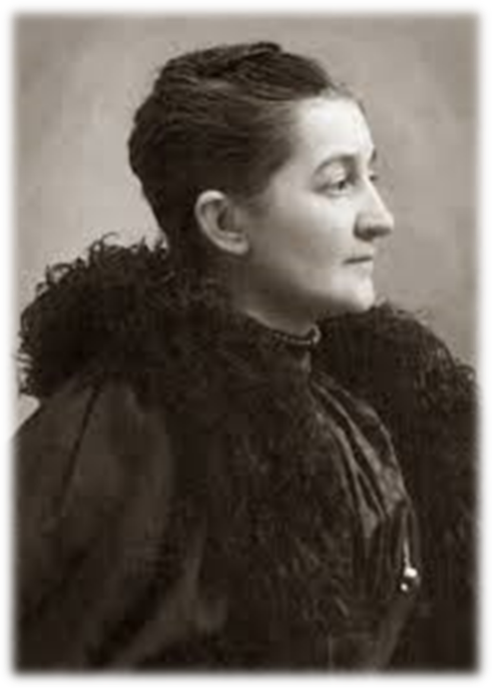 Florence Cronise